Diffusion through the cell membrane
Lesson 1 / 4
Lesson video
Lesson slides
Lesson details
Lesson outcome
Waxaan sharxi karaa sababta qaybaha qaarkood ay u dhaafi karaan xuubka unugga, qaarna aysan u dhaafi karin.
Introduction
In this lesson: I can explain why some substances can diffuse through the cell membrane and others cannot. All substances, including the cell cytoplasm and substances within it, are made up of particles. Particles of some substances diffuse into and out of a cell by moving through small holes in the cell membrane.
Show transcript
Worksheet
not available yet
Quizzes
1. Which organisms are made up of cells?
- only animals
- only animals and plants
- only animals, plants and fungi
- Correct answer:all organisms
2. Which diagram best represents the particles that make up the cell cytoplasm?
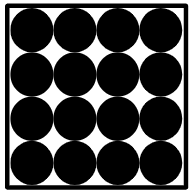 diagram A
- Correct answer:
 diagram B
  diagram C
3. The particles of oxygen will move through the cell cytoplasm due to the process of ...
- concentration.
- Correct answer:diffusion.
- gradient.
- solution.
4. Which diagram is labelled correctly?
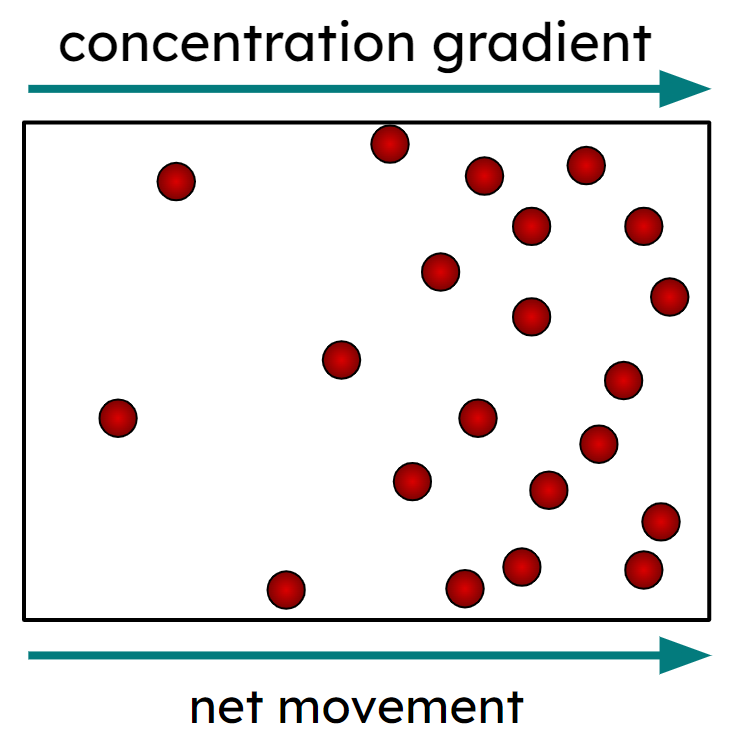 diagram A: net movement is up a concentration gradient from low to high
- Correct answer:
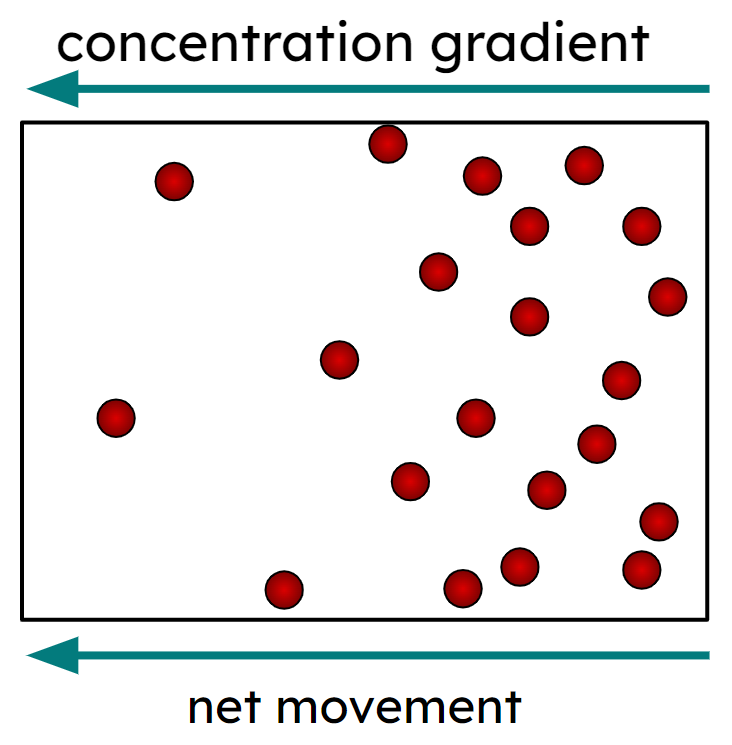 diagram B: net movement is down a concentration gradient from high to low
 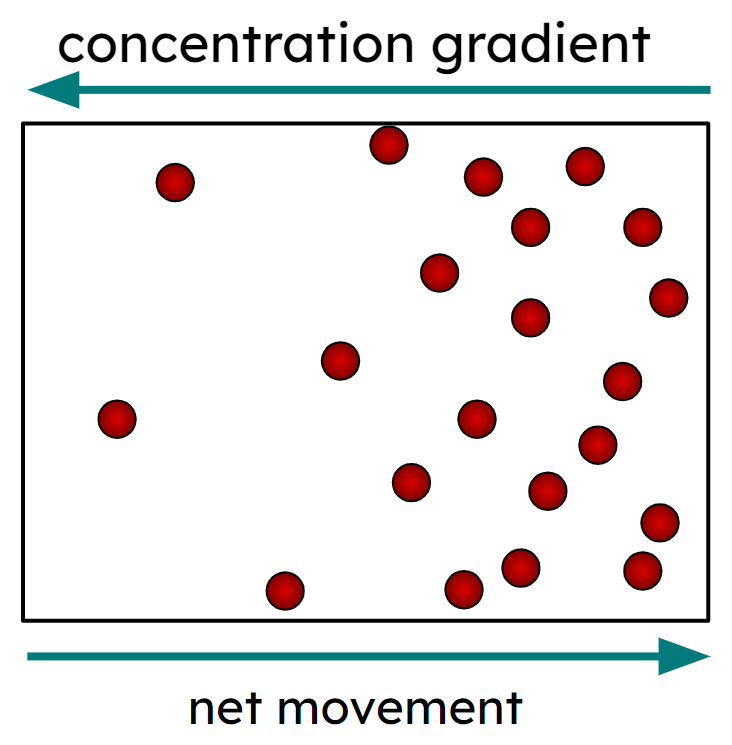 diagram C: net movement is against a concentration gradient from low to high
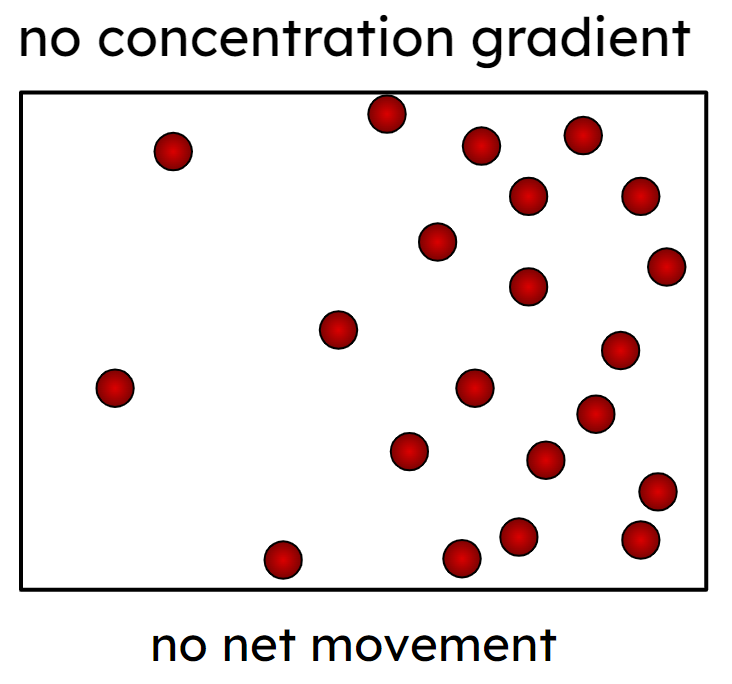 diagram D: no concentration gradient and no net movement
1. Which of these are features of the cell membrane?
- Correct answer:controls what can enter and leave the cell
- is where cellular respiration takes place
- is where substances are stored
- makes the cell’s food
- Correct answer:surrounds the cell cytoplasm
2. Which statement about the cell membrane is true?
- It has no holes in it.
- It has large holes in it.
- Correct answer:It has small holes in it.
3. Who has the correct idea about the cell membrane?
- Aisha: “Particles of all substances can move through the holes in the membrane.”
- Alex: “Only large particles can move through the holes in the membrane.”
- Correct answer:Jacob: “Only small particles can move through the holes in the membrane.”
- Sofia: “No particles can move through the holes in the membrane.”
4. Which type of particle will **not** move through the holes in the cell membrane?
- particle A
- particle B
- Correct answer:particle C
5. Which statement is true?
- Correct answer:Net movement of particles of carbon dioxide will be from the inside to outside.
- Particles of carbon dioxide cannot diffuse through the cell membrane.
- Particles of carbon dioxide will diffuse up the concentration gradient.
- The concentration of particles of carbon dioxide is higher outside the cell.
- There is no concentration gradient across the cell membrane.
What pupils see
The same lesson as a pupil sees it. You can set any section as work on its own.
- IntroductionPrepare
- Starter quizActivate · 4 questions
- Lesson videoLearn
- Exit quizCheck · 5 questions