DNA, chromosomes, genes and the genome
Lesson 4 / 7
Lesson video
Lesson slides
Lesson details
Lesson outcome
Waxaan sharxi karaa farqiga u dhexeeya DNA-da, koromosoomyada, hiddo-wadayaasha iyo genome-ka.
Introduction
In this lesson: I can explain the difference between DNA, chromosomes, genes and the genome. All organisms have a genome, and there are similarities and differences between the genomes of different organisms. The genome is made of DNA, wound up into tightly-packed structures called chromosomes.
Show transcript
Worksheet
not available yet
Quizzes
1. What is DNA?
- a cell
- a nucleus
- Correct answer:a chemical molecule
- an organism
2. True or false? Bacteria have DNA.
- Correct answer:True
- False
3. DNA is passed onto offspring in reproduction. What does it carry?
- the organism's features
- Correct answer:instructions
- cells
- Correct answer:genetic code
4. What is all of the genetic material in a cell called?
- DNA
- Correct answer:genome
- nucleus
- cytoplasm
1. All living __________ have a unique genome.
- cells
- species
- families
- Correct answer:organisms
2. Which of the following structures is a single chromosome?
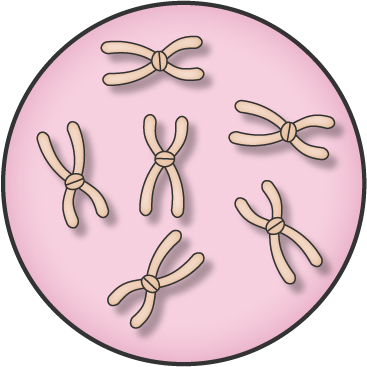 b
b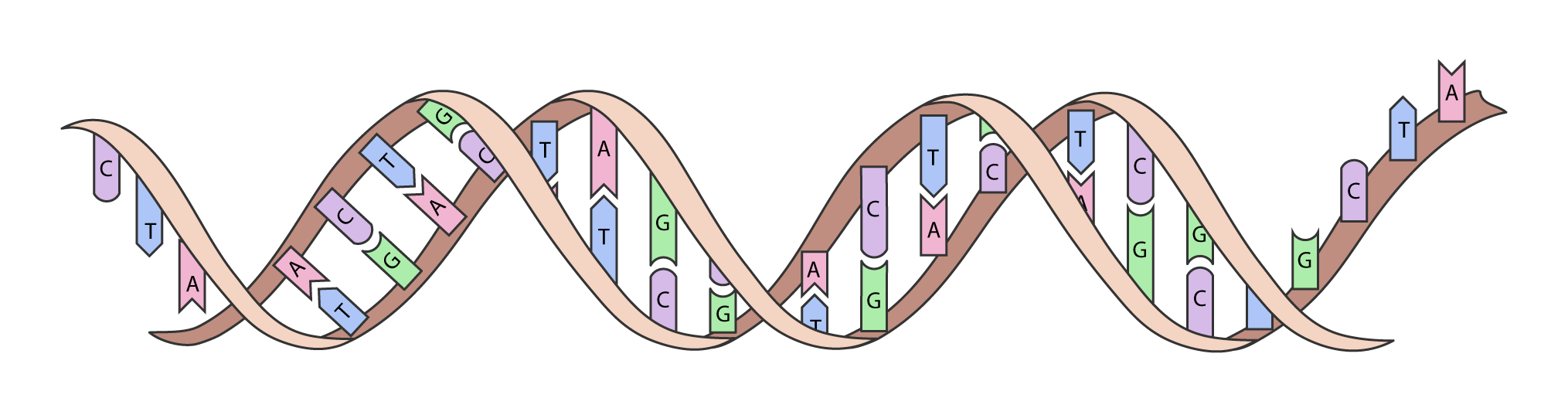 c
c- Correct answer:
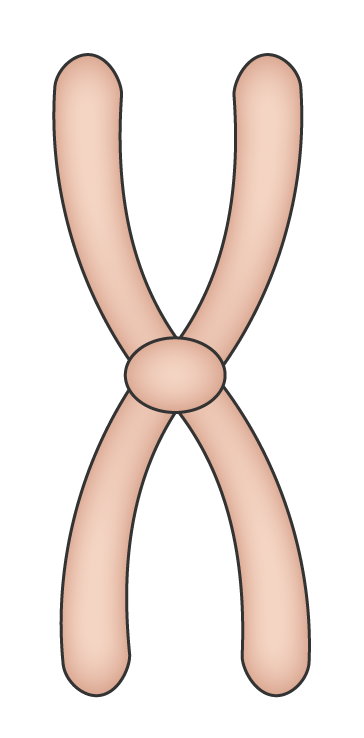 d
d
3. The genome is made of all of the genetic code; this includes genes and ...
- junk DNA.
- non-genes.
- Correct answer:non-coding DNA.
- nucleus.
What pupils see
The same lesson as a pupil sees it. You can set any section as work on its own.
- IntroductionPrepare
- Starter quizActivate · 4 questions
- Lesson videoLearn
- Exit quizCheck · 3 questions