DEMO — Reflecting light from mirrors
Lesson 1 / 1
Lesson video
The video is not available yet.
Lesson slides
Lesson details
Lesson outcome
Waxaan awoodi doonaa inaan sharaxo sida iftiinku uga milicsado muraayadaha, xagasha soo-gaadhista (angle of incidence) iyo xagasha milicsiga (angle of reflection).
Introduction
In this lesson: I can investigate the reflection of light from mirrors by tracing beams of light and measuring angles, and compare results to the known laws of reflection. Light travelling in one direction (along a ray) that hits a mirror reflects (bounces off the mirror) in one direction. The ‘normal’ is an imaginary line drawn at 90° to the point of reflection.
Show transcript
Worksheet
not available yet
Quizzes
1. Which of the following images correctly shows light rays coming from a lamp?
- Correct answer:
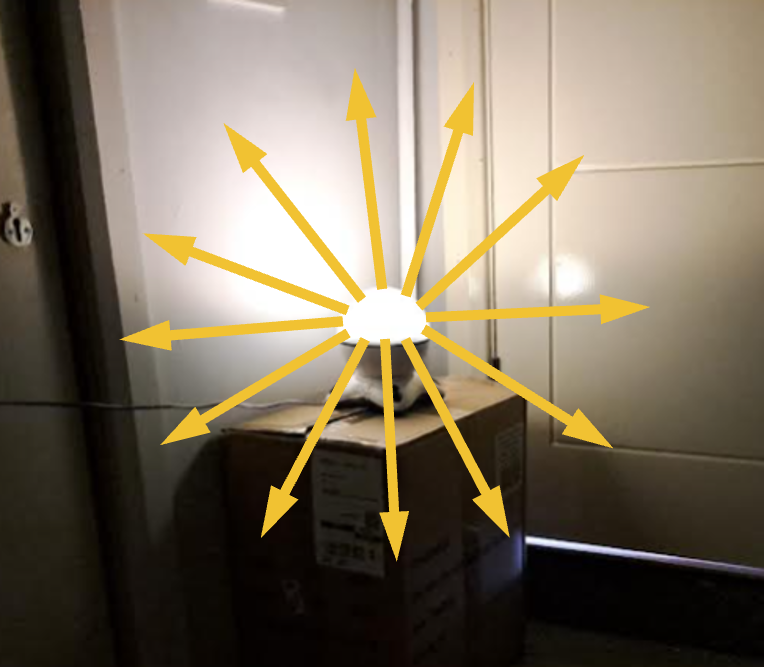
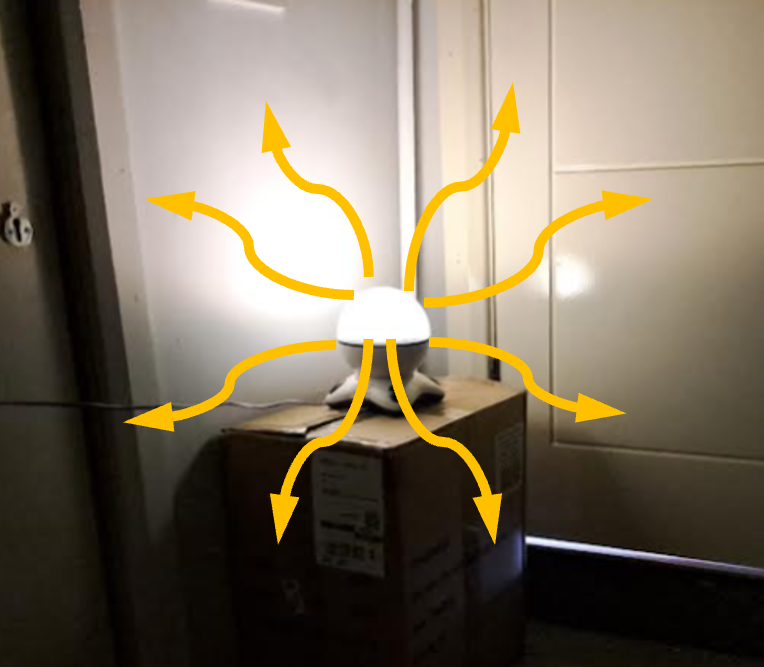
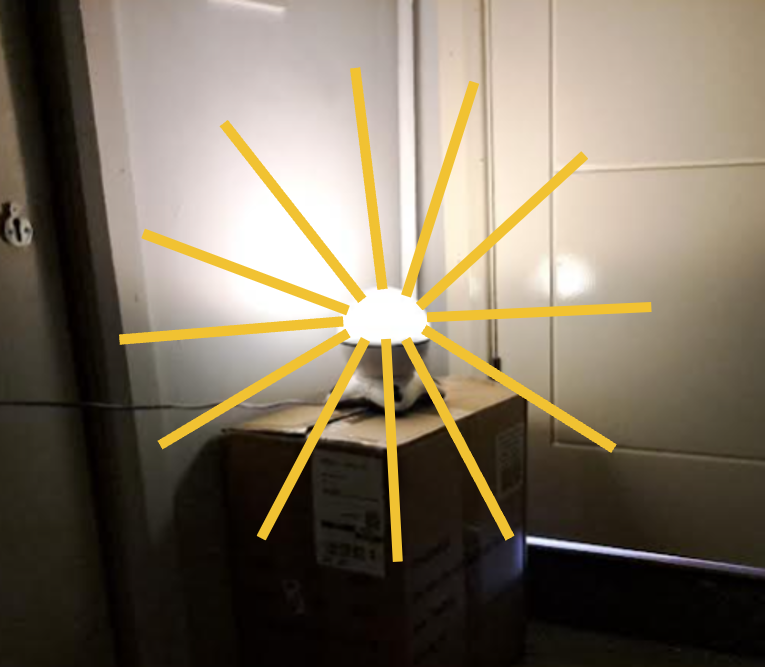
- Correct answer:
2. Which of the following units are angles measured in?
- metres
- Correct answer:degrees
- millimetres
- millilitres
3. What is the size of the marked angle?
- 50°
- Correct answer:90°
- 100°
- 180°
- 360°
4. Which of the following pieces of equipment is used to measure angles?
- ruler
- compass
- Correct answer:protractor
- set square
5. What is the size of the marked angle between the two lines in the image?
- Correct answer:37°
- 43°
- 143°
- 157°
1. The diagrams show a light ray reflecting from a mirror. In which diagram is the angle of incidence marked?
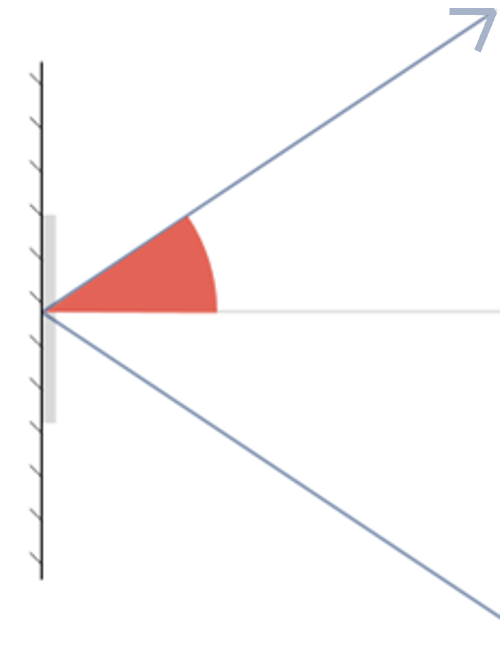
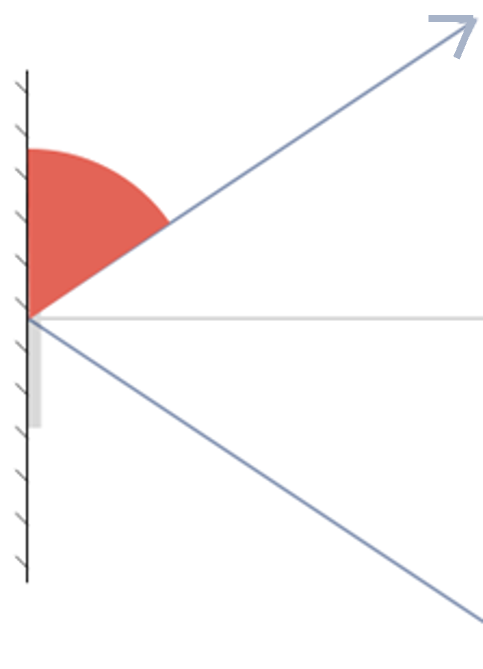
- Correct answer:
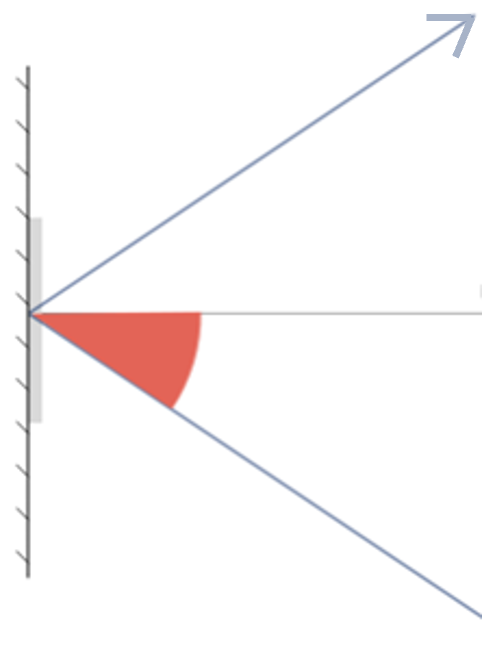
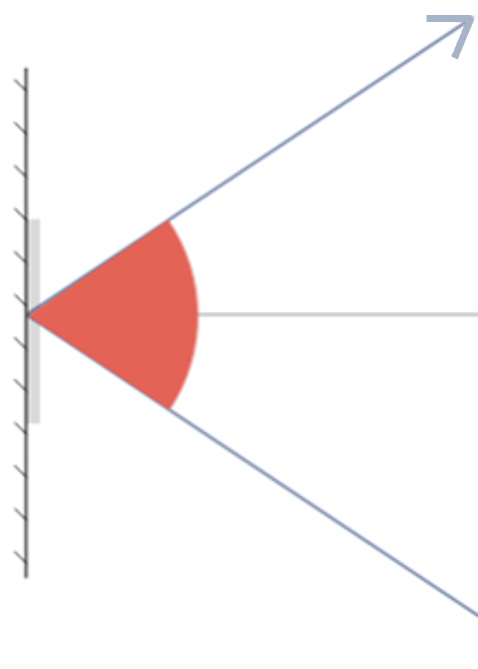
2. Which of the following is the first law of reflection?
- angle of reflection > angle of incidence
- Correct answer:angle of reflection = angle of incidence
- angle of reflection + angle of incidence = 90°
- angle of reflection + angle of incidence = 180°
3. Which of the following are the second and third laws of reflection?
- The incident ray and the reflected ray are on the same side of the normal.
- Correct answer:The incident ray and the reflected ray are on opposite sides of the normal.
- Correct answer:The incident ray, reflected ray and normal are on one plane (flat surface).
- The incident ray, reflected ray and normal are on different planes.
4. A pupil investigates reflection of light by a mirror. They decrease the angle of incidence. Which of the following describes what happens to the angle of reflection?
- It increases.
- Correct answer:It decreases.
- It stays the same.
- It is impossible to predict.
5. Why is it unlikely that measurements of the angle of reflection are exactly equal to the angle of incidence?
- Correct answer:The mirror may not be exactly aligned with the mirror line on the diagram.
- The surface of the mirror may not be flat.
- A sharp pencil line is difficult to see under a protractor.
- Correct answer:A protractor measures to the nearest degree.
- Correct answer:Rays of light from a ray lamp are wider than a sharp pencil line.
What pupils see
The same lesson as a pupil sees it. You can set any section as work on its own.
- IntroductionPrepare
- Starter quizActivate · 5 questions
- Lesson videoLearn · Not available
- Exit quizCheck · 5 questions