Reflections in mirrors
Lesson 8 / 8
Lesson video
Lesson slides
Lesson details
Lesson outcome
Waxaan sharxi karaa sababta sawirada (muuqaallada) looga arko muraayadaha iyo sifooyinka sawirada muraayadaha.
Introduction
In this lesson: I can explain why reflections (images) are seen in mirrors and describe the properties of mirror images. Light reflects from mirrors obeying the laws of reflection. Some reflects into our eyes causing an image to be seen. The image in a mirror is located where the light rays seem to have come from.
Show transcript
Worksheet
not available yet
Quizzes
1. When a light ray reflects, the two rays and the normal are all in the same __________.
- flight
- Correct answer:plane
- space
- line
2. The diagram shows the reflection of a light ray. What is the name of the imaginary line, drawn as a dashed line?
- right angle
- ordinary
- ray
- boundary
- Correct answer:normal
3. The diagrams show a light ray reflecting from a mirror. In which diagram is the angle of reflection marked?
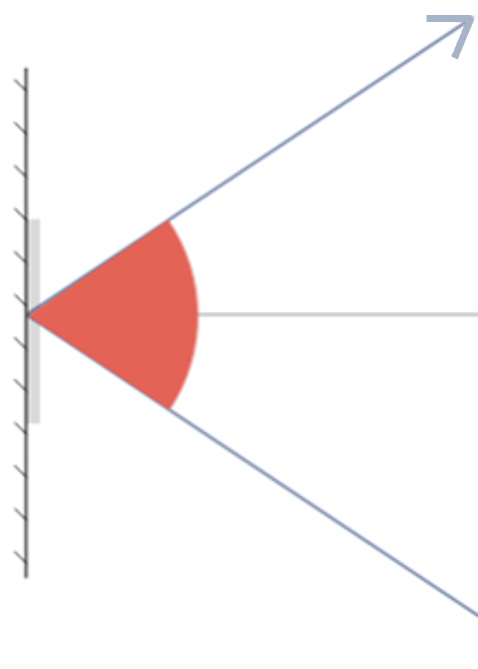
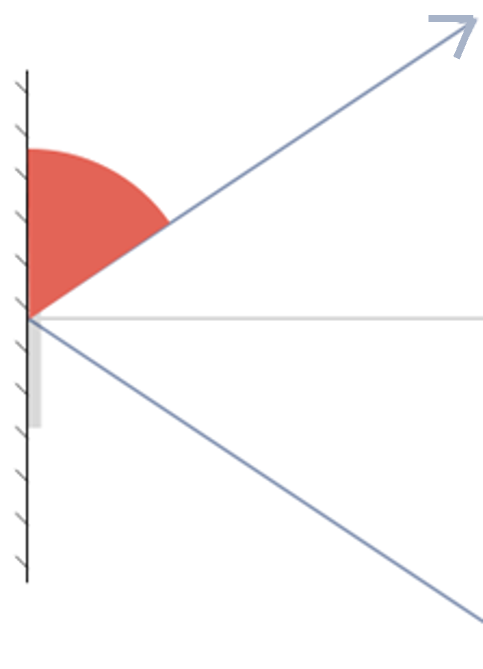
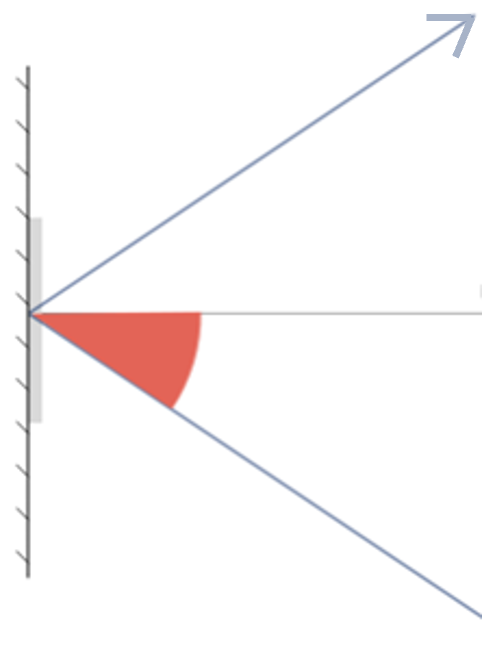
- Correct answer:
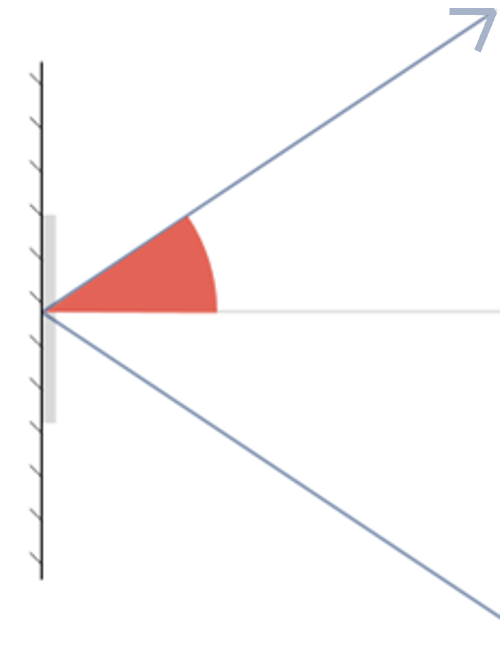
4. A pupil uses a ray box and a mirror to investigate reflection. To measure angles, they use a protractor with markings that are 1° apart. Which of the following statements are correct?
- The ray box produces a single ray of light.
- Correct answer:The ray box produces a single beam of light.
- Correct answer:The pupil can measure angles to the nearest degree.
- The pupil can measure angles to the nearest tenth of a degree.
5. A pupil investigates the angles of reflection for different angles of incidence when light reflects off a mirror. The table shows the results. Which of the following conclusions is correct?
- Correct answer:The angle of reflection equals angle of incidence.
- The angle of reflection does not equal angle of incidence.
- The angle of reflection is not related to angle of incidence.
- The angle of reflection sometimes equals angle of incidence.
1. A person stands in front of a mirror. Which of the following describes the path that light takes so that the person can see their nose in the mirror?
- From the eye to the mirror, then to the nose.
- Correct answer:From the nose to the mirror, then to the eye.
- From the nose to behind the mirror, then to the eye.
- From the eye to behind the mirror, then to the nose.
2. A child holds a toy and looks into a mirror. In the mirror, they can see __________ of the toy.
- Correct answer:an image
- a copy
- a picture
- a drawing
3. Which of the following are definitions of the word ‘reflection’?
- A ray that has bounced off a mirror.
- Correct answer:An image seen in a mirror.
- The process of light hitting a surface.
- Correct answer:The process of light bouncing off a surface.
4. Which of the following terms describe how images in mirrors appear compared to the object?
- rotated
- Correct answer:laterally inverted
- upside–down
- Correct answer:the right way up
5. A child holds a marble in front of a mirror, 10 cm away from the mirror. The child sees the marble in the mirror. How far apart do the real marble and the image of the marble in the mirror seem to be?
- 0 cm
- 5 cm
- 10 cm
- 15 cm
- Correct answer:20 cm
6. The photo shows two candles with a sheet of glass between them. The nearer candle is lit. The candle behind the glass seems to be burning, even though it is not. Which of the following explains why?
- You see the real candle behind the glass, with a real flame.
- Correct answer:You see the real candle behind the glass, but an image of a flame.
- You see an image of the candle behind the glass, but the real flame.
- You see an image of the candle behind the glass, with an image of a flame.
What pupils see
The same lesson as a pupil sees it. You can set any section as work on its own.
- IntroductionPrepare
- Starter quizActivate · 5 questions
- Lesson videoLearn
- Exit quizCheck · 6 questions