Continuous and discontinuous variation: practical
Lesson 4 / 5
Lesson video
Lesson slides
Lesson details
Lesson outcome
Waxaan qeexi karaa oo cabbiri karaa tusaalooyinka kala duwanaanshaha aan joogto ahayn iyo kala duwanaanshaha joogto ah ee sifooyinka.
Introduction
In this lesson: I can describe and measure examples of discontinuous and continuous variation in features. Some features have discontinuous variation (limited variations falling into particular categories). Some features have continuous variation (can take any value within a range).
Show transcript
Worksheet
not available yet
Quizzes
1. When measuring the circumference of an apple, which piece of equipment would give the most accurate measurement?
- Correct answer:
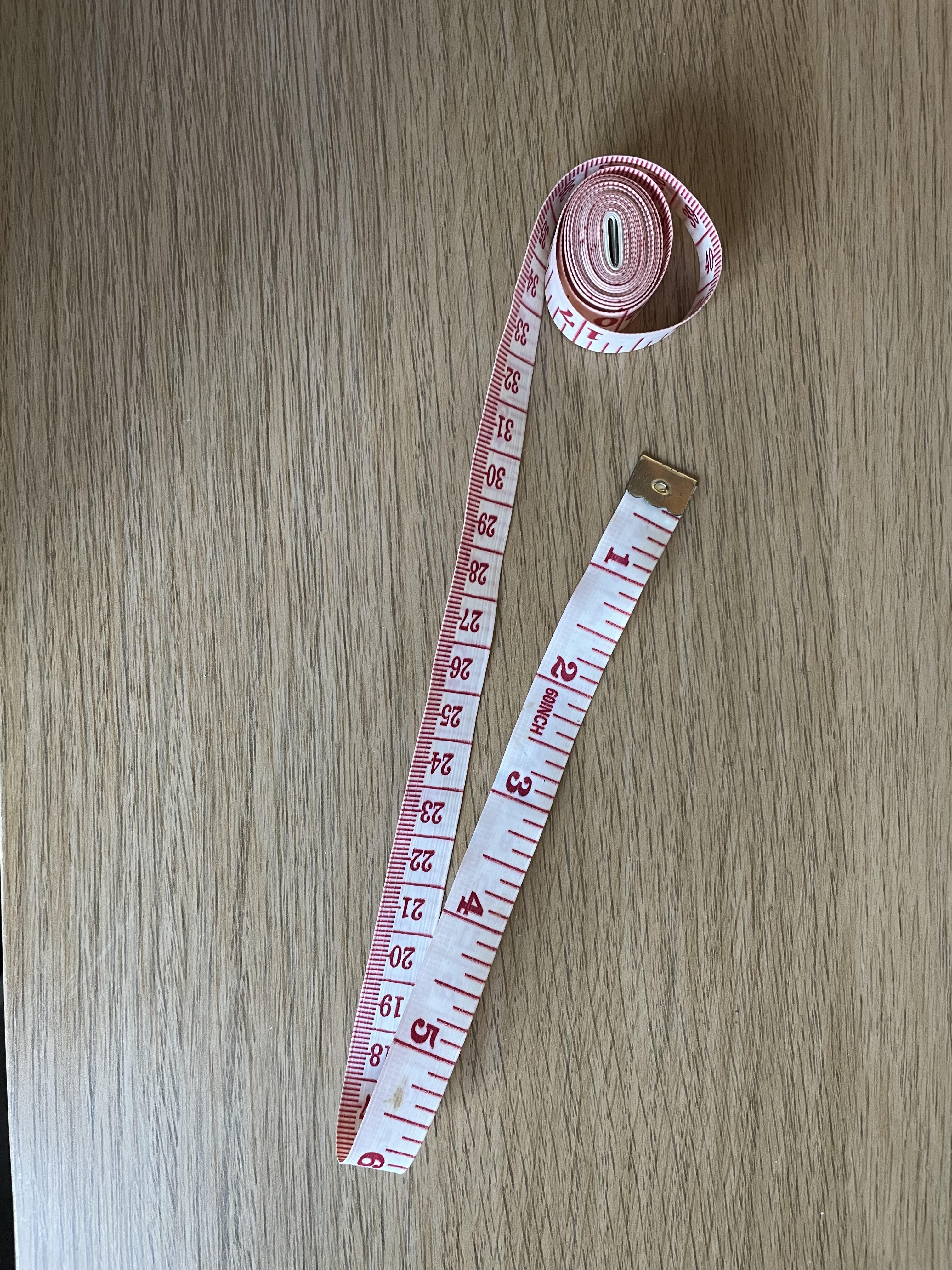 fabric tape measure
 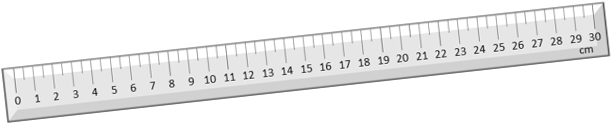 ruler
ruler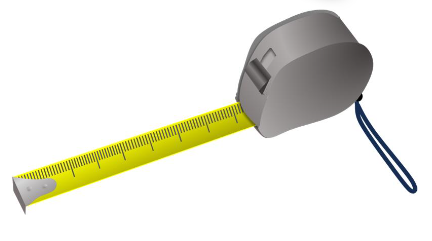 metal tape measure
- Correct answer:
2. What is meant by "variation"?
- Correct answer:differences between organisms of the same species
- similarities between organisms of the same species
- reproduction between organisms of the same species
3. When measuring the mass of an apple, which piece of equipment should be used?
- Correct answer:
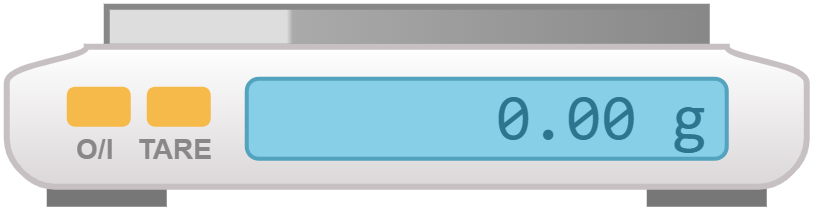 balance
 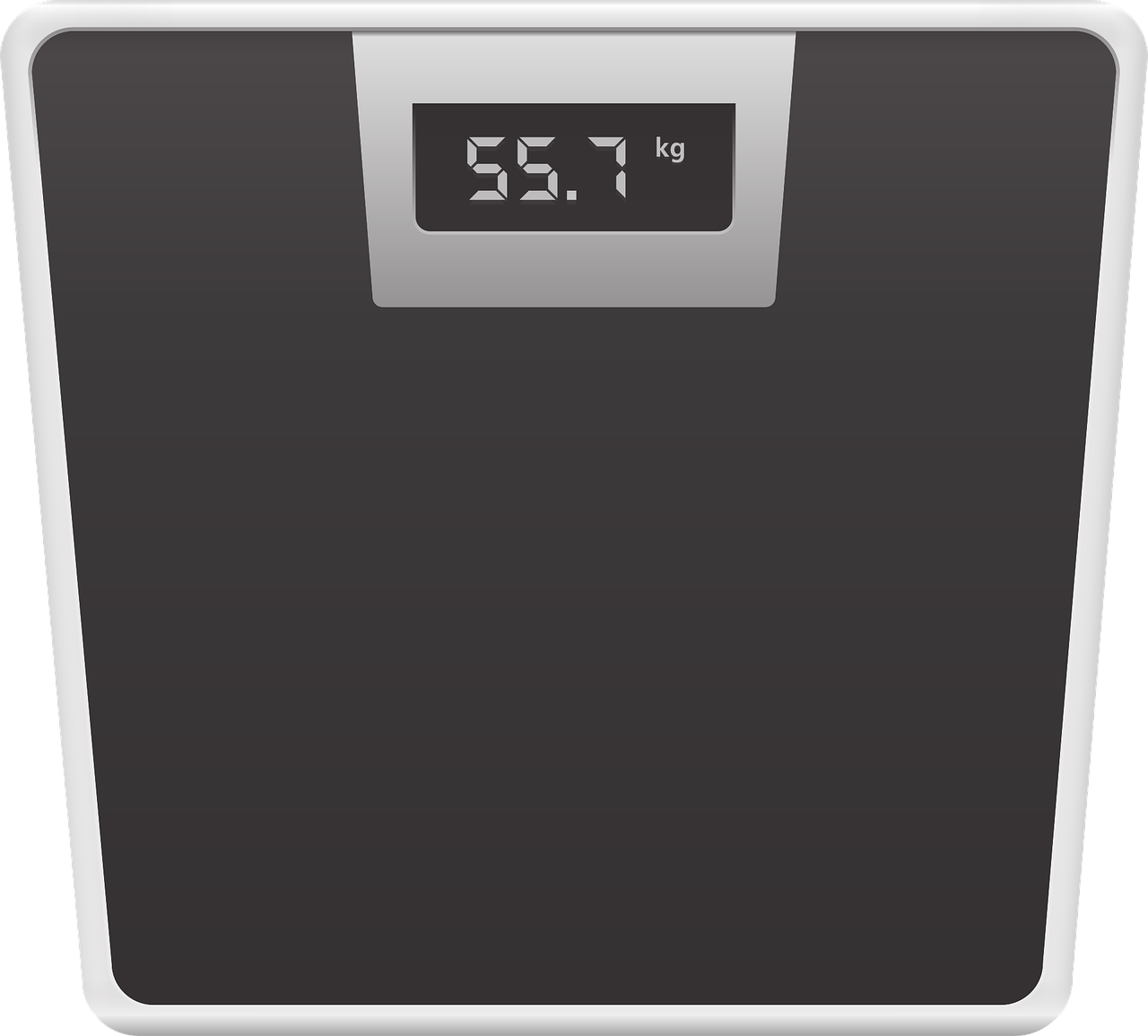 weighing scales
 magnifying glass
 quadrat
- Correct answer:
4. A disorder such as cystic fibrosis is a form of variation that is a caused by ...
- Correct answer:genetic factors.
- environmental factors.
- lifestyle choices.
1. Which of the following is an example of discontinuous variation?
- Correct answer:earlobe attachment
- satsuma circumference
- length of leaf
- body mass
2. Which table uses tally marks to record data on the heights of students?
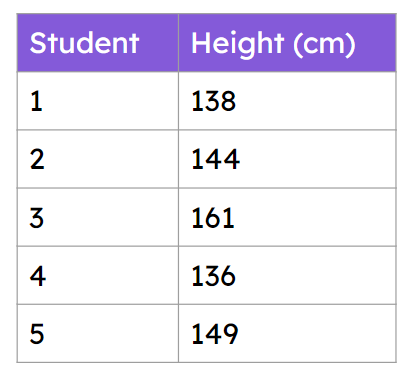 table 1
- Correct answer:
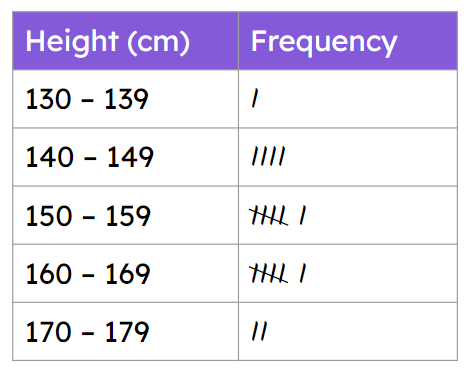 table 2
 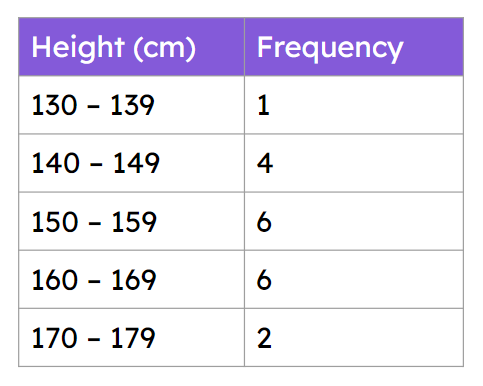 table 3
3. Which two of the following are examples of continuous variation?
- Correct answer:height of a tree
- Correct answer:length of a neck
- fur colour
- ability to roll tongue
4. Whose explanation of discontinuous variation is correct?
- Discontinuous variation has a maximum of three categories: X, Y and Z.
- Discontinuous variation can have lots of in-between values, such as 0.7 and 0.2.
- Correct answer:Discontinuous variation has specific categories and may not be numerical.
5. Whose explanation of continuous variation is correct?
- Continuous variation has an infinite number of individuals.
- Correct answer:Continuous variation can have lots of in-between values, such as 0.03 and 0.62.
- Continuous variation has specific categories but is numerical.
What pupils see
The same lesson as a pupil sees it. You can set any section as work on its own.
- IntroductionPrepare
- Starter quizActivate · 4 questions
- Lesson videoLearn
- Exit quizCheck · 5 questions